
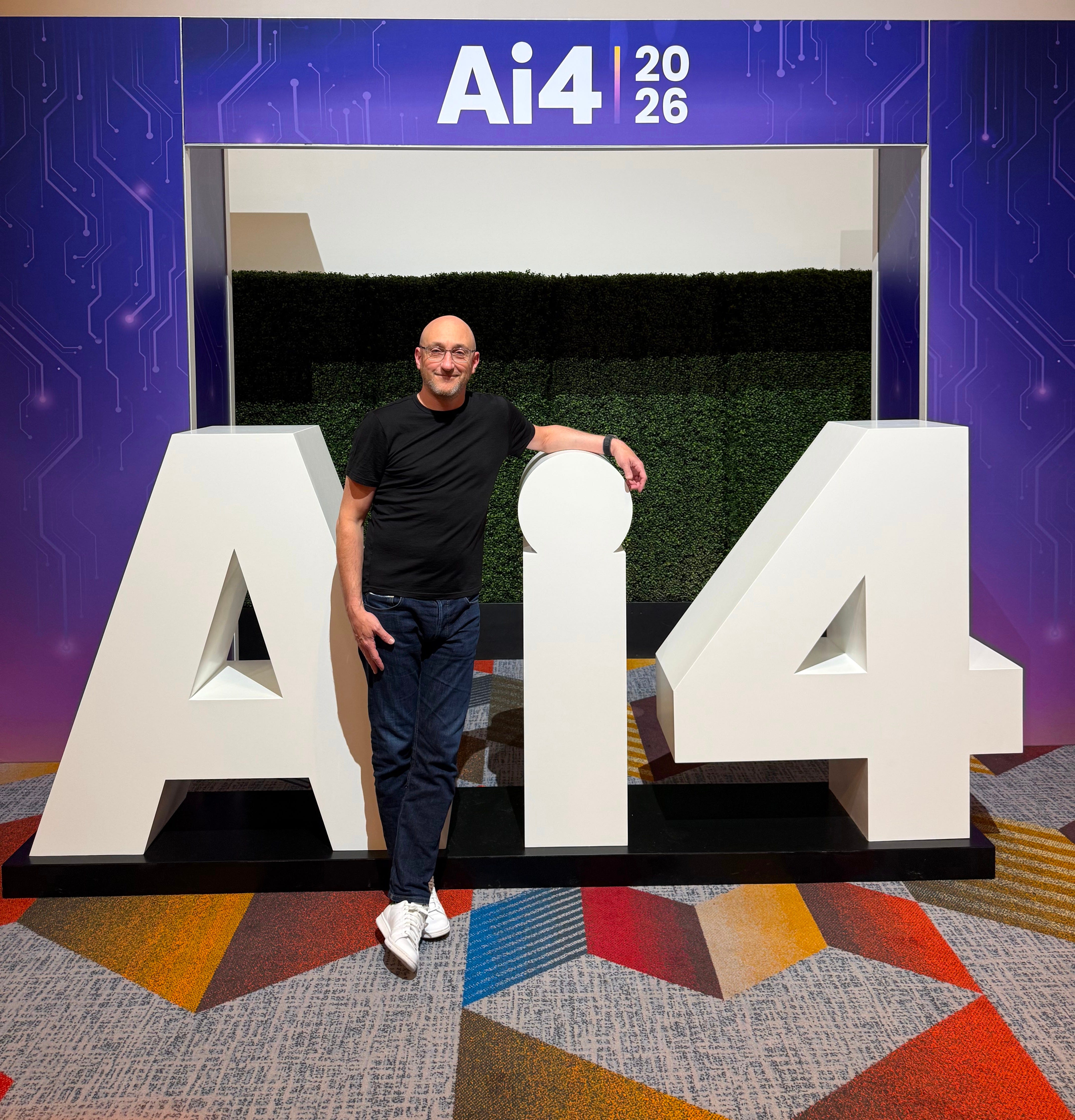
As I walked through the third aisle of Ai4, I was offered control, yet again, over my irresponsible agents. Observe my agents, run my agents, understand my agents, report on my agents. I checked my pockets, and, happily, I had no agents to control. But, hot tip: if you want to see what’s an acute, top-of-mind problem in a given space, hang out with the services companies. They are the ones that are reacting quickest to perceived market demand.
If you’ve ever been to a conference or trade show, the show floor is effectively a census of what the sell side believes the buyers want at that particular moment. And that can be quite malleable. Year over year, especially in tech, it can literally be a completely different conversation from one year to the next. I went hunting for corporates and buyers to see what was on their minds, but the buyers typically hide because everyone wants to pitch them 💰.
Once you get to the side events, you get more candid conversations about where everyone is at. Buyers know that AI is important but they haven’t figured out what to do with it yet, and won’t say that in public. In the meantime, amidst the chaos, they’re looking for control. And that’s what everyone’s trying to sell them. Whether control is to be had is a different story.
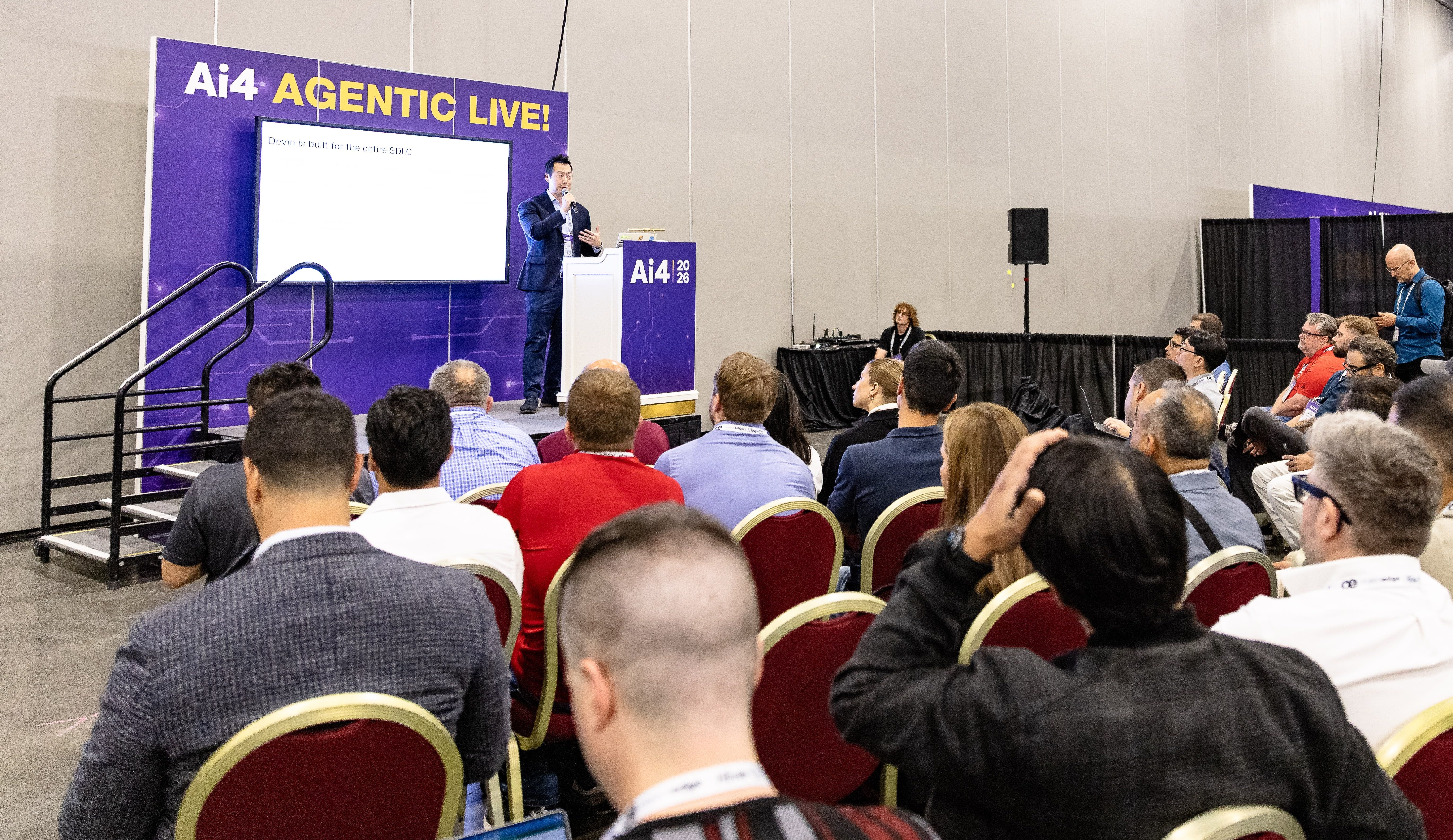
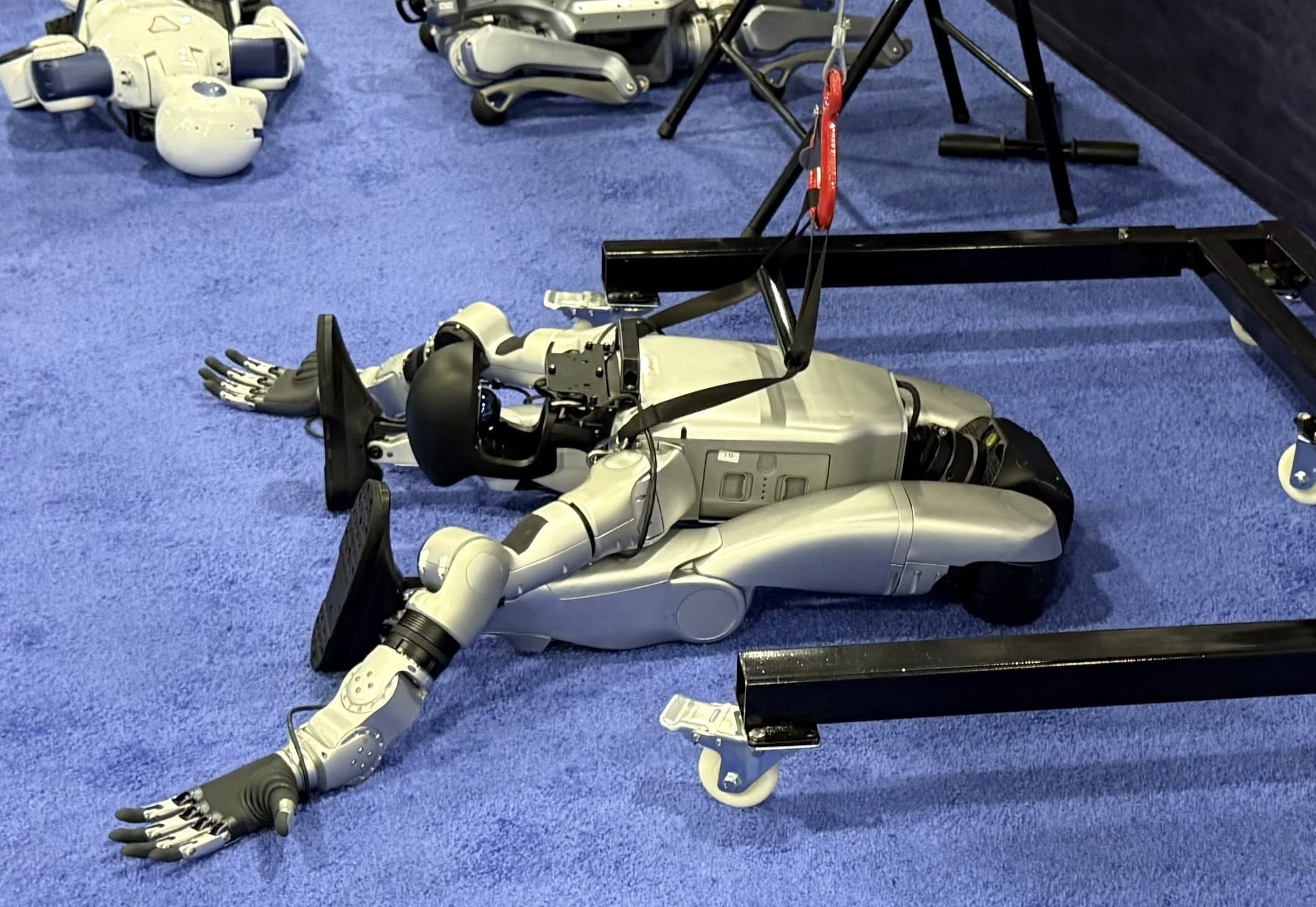
Ai4 did lean heavily into agents, even having an Agentic Live Demo Stage (and, as every one of these now legally requires, a robot dog). But agents get scary when they’re not well bounded, and, as non-deterministic software, they can be very risky. So as much as the pitches were about what agents can do, they were also about how you had some agency (cough) over what they were actually able to do. Today most of them are doing narrow work, such as software development, customer service, business research, and not replacing anybody. (It goes without saying I may have used an agent for this stat.)
A more salient example were the AI governance companies, offering solutions to a problem that companies think or know they have: AI inventory and discovery, control layers, decision traceability, auditing, and a grab bag of related offerings. But we’re in a weird place at the moment. We all know we need some sort of framework to manage all of this technology in a business context, but what’s needed isn’t yet settled, including the dimensions upon which to measure it even by the people who are thinking this stuff up.
Some exhibitors I saw were Credo AI, Trustible (a major sponsor), and Actualyze AI, which actually launched at Ai4 announcing a $7M seed round. But if you think hard about it, you can imagine a scenario where I can pull up my mobile device and suck up all of an organization’s data and do an end run around all of its privacy and security practices. How do you control that? Actualyze’s CEO called this specific problem “Shadow AI”, which I think is a great name.
So, organizations know they have a problem, and they can’t wrap their arms around it yet, and at the same time, we have startups offering solutions before the problem itself is totally clear. And, again, what they’re all reaching for is control.
This pattern reminds me of the consumerization of IT. When the iPhone came out, everyone wanted one and wanted to use it at work (starting with the CEOs), but they weren’t blessed and managed by corporate IT departments like the Blackberry was. There was pushback, but the idea of bringing your own device (BYOD) and forcing a company to allow you to use it is where the industry ultimately went. So, over time, mobile device management (MDM) was created and adopted, and now we don’t even think about it. I have a hunch this is where we’re going. We can’t yet sell control since you can’t actually buy it yet. What organizations can buy right now is some amount of visibility and an initial process, which is something.
It is worth remembering that for MDM to really work, it did require Apple and Google to play along and create the hooks to allow for control of their smartphones. So I could see a future where the AI companies bake some basic governance capabilities into their core functionality and leave the more complex orchestration to specialized companies. But, we’re in the early innings of what gets controlled, how, and by whom. And we all know it will be agents controlling agents, right?
Part two of my Ai4 observations next week. Or part three if you count watches.
Where You’ll Find Me
ALL IN, Montreal, September 15-17. Canada’s premiere AI conference. Hosting the ALL IN Talks stage, so… let’s talk.
SaaS North, Ottawa, November 3-5. I’ll be hosting a shin-dig at this event, subscribers get dibs. Stay tuned!